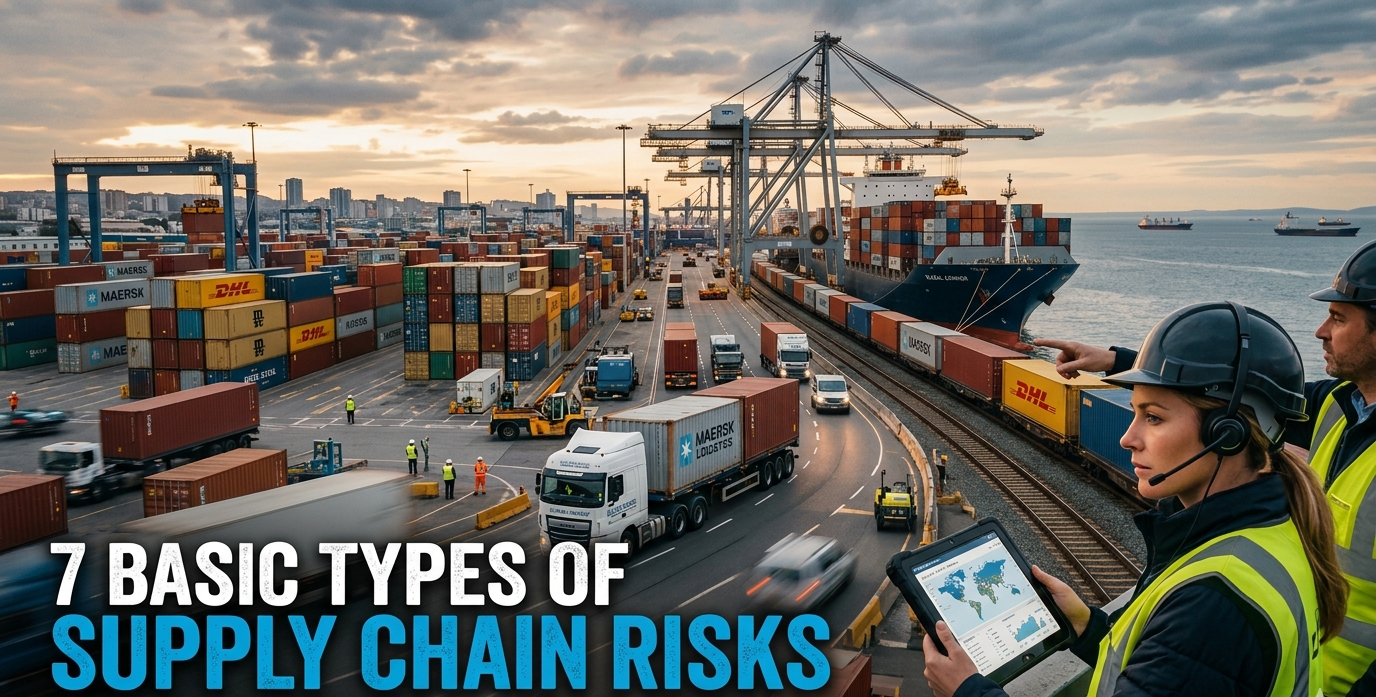
You don’t notice your supply chain when everything works. Orders go out on time, inventory stays balanced, and customers are happy. But the moment something slips, a late shipment, a missing product, or a sudden surge in demand, the cracks show fast.
That’s where supply chain risks quietly live. Not as big dramatic events, but as small, everyday disruptions that build up and hit when you least expect it.
Understanding these risks early is what separates reactive businesses from resilient ones. In this guide, we’ll break down the key types of risks and how to stay in control before they start affecting your operations.
What Are Supply Chain Risks and Why Do They Matter?
Supply chain risks refer to any potential disruptions that can interrupt the flow of goods, data, or finances across your supply chain.
These risks matter because:
• They directly impact product availability
• They increase operational costs
•They damage customer satisfaction
• They slow down business growth
The more complex your operations become, the more exposed you are to common supply chain risks.
What Are the 7 Basic Types of Supply Chain Risks?
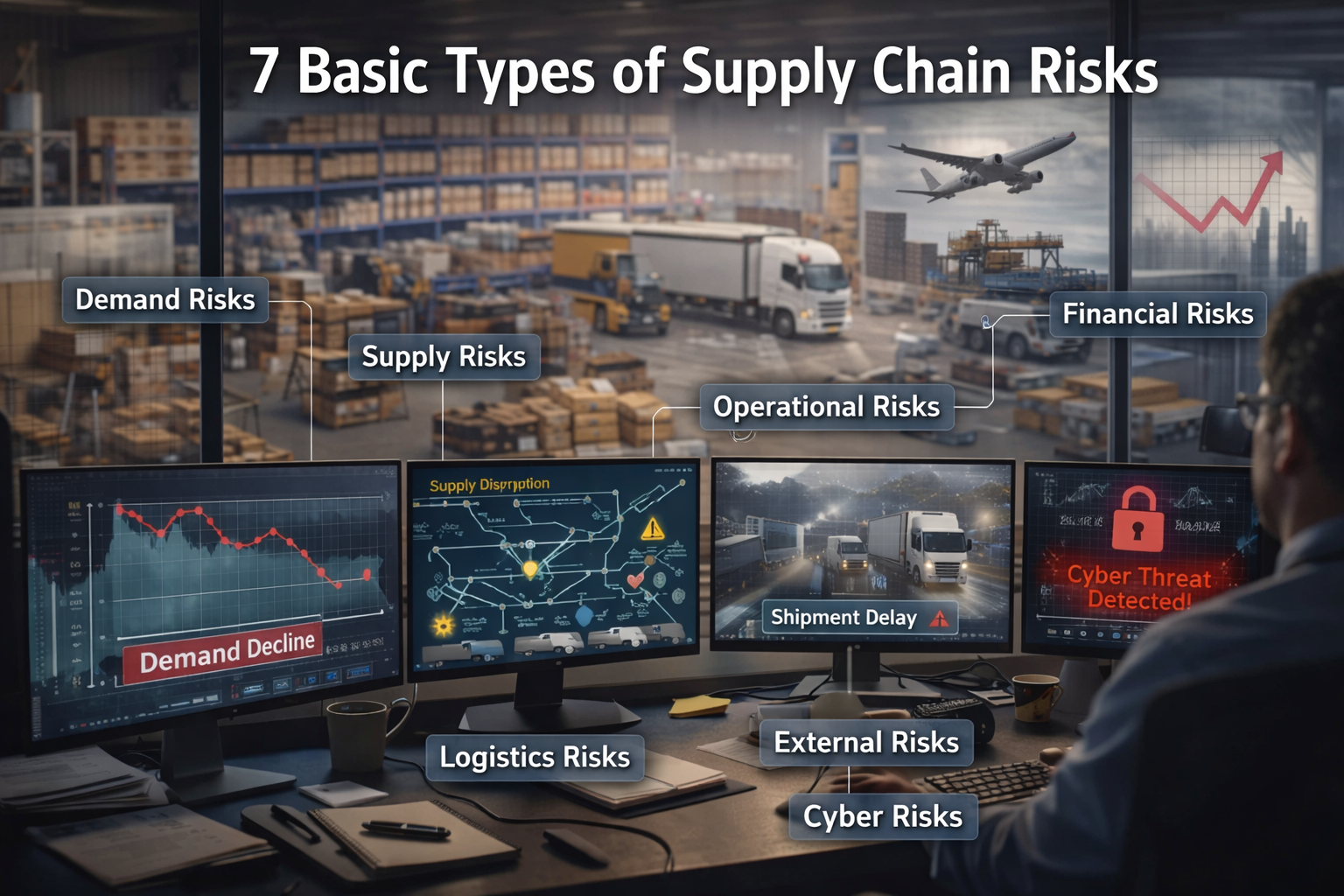
1. Demand Risks – When Customer Demand Becomes Unpredictable
Demand risk occurs when there’s a mismatch between what customers want and what your supply chain can deliver.
This can happen due to:
• Sudden market trends
• Seasonal spikes
• Poor demand forecasting
When demand is underestimated, businesses face stockouts. When overestimated, they deal with excess inventory.
2. Supply Risks – When Vendors Fail to Deliver
Supply risks arise when suppliers fail to meet expectations—whether due to delays, quality issues, or shortages.
Common causes include:
• Supplier dependency
• Raw material shortages
• Poor vendor coordination
Even one unreliable supplier can disrupt your entire operation.
3. Operational Risks – Internal Process Failures
Operational risks come from within your business.
These include:
• Manual errors
• Inefficient workflows
• Lack of system integration
For example, if your inventory system isn’t synced with your order system, you may sell products that are already out of stock.
This is where strong systems and automation play a key role in reducing supply chain risks.
4. Logistics Risks – Transportation and Delivery Issues
Logistics risks involve delays or failures in moving goods from one point to another.
These risks can occur due to:
• Transportation delays
• Port congestion
• Fuel price fluctuations
• Last-mile delivery issues
Even a small delay in logistics can lead to missed deadlines and unhappy customers.
5. Financial Risks – Cost Fluctuations and Cash Flow Issues
Financial risks affect your ability to maintain smooth operations.
They include:
• Currency fluctuations
• Rising transportation costs
• Vendor payment issues
• Poor cash flow management
When financial stability is affected, your entire supply chain slows down.
6. External Risks – Factors Beyond Your Control
These are unpredictable risks that businesses cannot control but must prepare for.
Examples include:
• Natural disasters
• Political instability
• Regulatory changes
• Global pandemics
These supply chain disruption risks often have the biggest impact because they are sudden and widespread.
7. Cyber Risks – Digital Threats in Modern Supply Chains
As supply chains become more digital, cyber risks are becoming more serious.
These include:
• Data breaches
• System hacks
• Unauthorized access
How Can You Manage Supply Chain Risks Effectively?
Managing risks isn’t about eliminating them, it’s about building resilience. Here’s how businesses are improving supply chain risk management:
1. Improve Visibility Across the Supply Chain
When you can see what’s happening in real time, you can act faster. A centralized platform helps track inventory, orders, and supplier performance.
This is where a solution Supplymint’s inventory planning and allocation system (Allokator) can be internally linked. It helps businesses maintain optimal stock levels and avoid demand-related disruptions.
2. Diversify Your Supplier Base
Relying on a single supplier increases vulnerability. Having multiple vendors reduces dependency and risk.
3. Use Data for Demand Forecasting
Data-driven insights help predict demand trends more accurately, reducing both overstock and stockouts.
4. Automate Processes
Automation reduces human errors and improves efficiency, especially in procurement, inventory, and order management.
5. Build Strong Vendor Relationships
Good communication and transparency with suppliers help prevent unexpected issues.
Final Words
Supply chain risks are unavoidable, but they don’t have to be damaging. When you understand the types of supply chain risks and take proactive steps, you can turn challenges into opportunities for growth.
The key is to:
• Stay informed
• Use the right tools
• Act before problems escalate
A more structured approach to inventory planning and allocation can make a real difference. Allokator by Supplymint help businesses maintain better stock balance, respond quickly to demand changes, and keep operations running without unnecessary disruption.
Frequently Asked Questions
1. What Are the Most Common Supply Chain Risks Businesses Face Today?
The most common supply chain risks include:
• Demand fluctuations
• Supplier delays
• Inventory mismanagement
• Logistics disruptions
• Lack of real-time visibility
2. What Is the Best Way to Handle Supply Chain Disruption Risks?
The best way to handle supply chain disruption risks is to focus on three key areas:
Visibility, flexibility, and planning.
• Visibility ensures you know what’s happening in real time
• Flexibility allows you to adapt quickly to changes
• Planning prepares you for unexpected scenarios
Businesses that invest in digital tools and proactive strategies are far better equipped to handle disruptions.
3. Why Modern Businesses Need a Smarter Approach to Supply Chain Risks
Traditional methods like spreadsheets and manual tracking are no longer enough.
Modern supply chains require:
• Real-time data
• Integrated systems
• Predictive analytics
Without these, businesses struggle to respond quickly to changing conditions. Platforms like Supplymint bring everything together, procurement, inventory, and sales, into one system, helping businesses stay ahead of risks instead of reacting to them.