Introduction
Buying products and services for a business can be hard. Many companies still use emails, spreadsheets, or paper forms. This makes the process slow and confusing. Orders can get lost. Payments can be delayed. Vendors might not get the right information. These problems cost money and time.
A better way is to use procurement management software. This software helps businesses handle vendor selection, order creation, approvals, and payments in one place. It keeps records safe and makes every step clear. Teams work faster, vendors respond quickly, and costs stay controlled.
In this blog, we will explain what a procurement management system is. We will discuss the vendor selection process, how to create purchase orders, and how modern software makes the process faster. We will also explore how businesses in the United States, especially in cities like New York, Chicago, and Los Angeles, can use these systems.
By the end of this guide, you will understand how procurement software solutions streamline buying and improve business operations.
What Is a Procurement Management System?
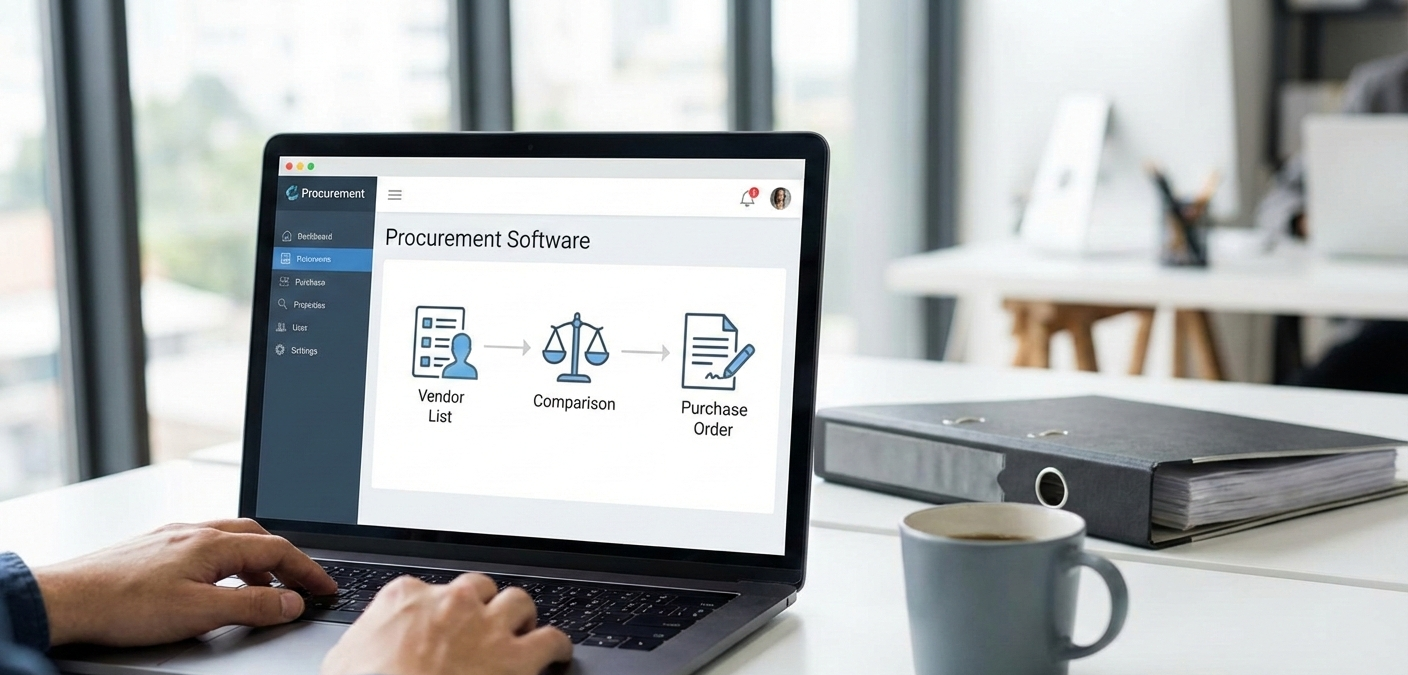
A procurement management system is a tool for managing business purchases. It helps teams pick vendors, create purchase orders, and track spending. This system keeps all vendor and purchase information in one place.
Instead of using emails or spreadsheets, teams can log into one platform. This reduces errors and saves time. Managers can see which orders are approved, pending, or completed. Every action is recorded, so compliance is easy to maintain.
Some key features include:
• Centralized vendor database
• Automated purchase requests and approvals
• Purchase order creation and tracking
• Reports and insights on spending
• Integration with other business software like ERP
Using a procurement management system ensures transparency. Everyone in the team knows what to do. Vendors also receive accurate and clear information.
Why Vendor Selection Matters in Procurement
Choosing the right vendor is very important. A poor vendor can delay delivery, provide low-quality products, or increase costs.
The vendor selection process is how businesses find the best suppliers. It includes:
1. Checking vendor reliability
2. Reviewing past performance
3. Comparing prices
4. Ensuring compliance with company policies and regulations
Without a system, teams must manually collect this information. This wastes time and can lead to mistakes. Using software helps teams compare vendors fairly and quickly.
How Procurement Systems Improve Vendor Selection
Modern procurement software solutions make vendor selection easier. Here is how:
1. Centralized Vendor Data
The system keeps all vendor information in one place. Contact details, past order history, and pricing are stored safely. Teams can quickly shortlist vendors without searching multiple files.
2. Automated Vendor Scoring
Software can rank vendors based on cost, delivery speed, quality, and compliance. This scoring system removes human bias and helps teams choose objectively.
3. Risk Assessment and Compliance Checks
The system ensures vendors meet legal and financial requirements. Continuous checks reduce risk and prevent potential issues.
4. Collaboration with Vendors
Procurement teams can communicate with vendors through shared dashboards. Notifications and messaging improve transparency and reduce delays.
5. Performance Tracking
Key metrics like on-time delivery, product quality, and cost adherence are monitored. This helps in making better decisions for future purchases.
By using these features, companies in the United States can improve the vendor selection process. Retail, manufacturing, and service-based businesses benefit the most.
The Vendor Selection Process Explained
The vendor selection process has several steps. A structured process improves accuracy and efficiency.
Step 1: Needs Identification
Teams first identify what they need to buy. This can be a product, service, or solution. Details like quantity, specifications, and budget are noted.
Step 2: Vendor Search
Teams search the vendor database or external suppliers. Potential vendors are listed for review.
Step 3: Vendor Review
Vendors are evaluated for quality, reliability, and price. Past performance data is checked. Compliance with rules is verified.
Step 4: Vendor Approval
Managers approve the best vendors. The system logs every approval.
This process ensures the business picks vendors that deliver high quality, on time, and within budget.
Purchase Request and Approval
After vendors are selected, teams create purchase requests. A purchase request is a formal document showing what is needed.
• The request includes item details, quantity, and justification.
• The request is sent for manager approval.
• Notifications alert managers to review quickly.
Using software reduces mistakes. Approvals move fast. Teams no longer need emails or paper forms.
How a Purchase Order Management System Works
A purchase order management system handles the next step in procurement: creating and managing purchase orders. Purchase orders are official documents that confirm what the company intends to buy. They serve as a legal and financial record for both the business and the vendor.
A standard purchase order typically includes:
• Item details – Name, description, SKU, or specifications of the product or service.
• Quantity and price – Exact number of items required and the agreed cost.
• Vendor name – The supplier responsible for delivering the goods or services.
• Delivery date – When the items should arrive to meet business needs.
• Payment terms – Agreed method and schedule for payment.
• Approval history – Information on who approved the order and when.
A purchase order management system goes beyond just creating documents. The software can:
• Convert approved requests into orders in one click – No manual entry is required.
• Track order status in real time – See if orders are pending, approved, shipped, or delivered.
• Allow repeat orders or customized orders – Save time for frequently ordered items or adjust details for special requests.
• Notify teams about approvals and changes – Everyone stays updated automatically.
• Manage partial deliveries – Track and approve items delivered in batches without delays.
• Integrate with inventory and ERP systems – Automatically update stock levels and financial records.
• Generate automated reports – Analyze spending, delivery performance, and vendor efficiency.
This system ensures all purchase orders are clear, accurate, and fully tracked. Vendors know exactly what to supply, reducing mistakes and miscommunication. Businesses gain control over procurement timelines and spending, while teams can focus on planning and strategy rather than chasing approvals or correcting errors.
With a modern purchase order management system, companies can scale procurement easily. It helps manage multiple vendors, large orders, and complex supply chains without confusion. This is especially useful for businesses in the United States that work with vendors across different states and need real-time updates.
By using this system, businesses ensure timely deliveries, maintain transparency, and improve relationships with vendors. It also reduces risks, prevents errors, and allows managers to make informed decisions based on clear, accurate data.
How Cloud Procurement Software Helps
Cloud systems let teams work from anywhere. They are secure and store data online.
• Teams in New York can collaborate with vendors in Los Angeles.
• Remote teams in Chicago can track orders without delay.
• Data is synced and updated automatically.
Cloud procurement software keeps all information centralized. Teams avoid confusion. Vendors respond faster.
Benefits of Procurement Software Solutions
Using procurement software solutions offers many advantages:
1. Saves Time – Automation reduces manual work.
2. Reduces Errors – Data is stored and verified digitally.
3. Improves Vendor Management – Teams can track vendors efficiently.
4. Better Compliance – Rules are enforced and logged.
5. Clear Reports – Leaders can see spending, orders, and vendor performance.
6. Cost Control – Helps identify overspending or redundant orders.
Businesses in the United States use this software to stay organized and save money.
Future Trends in Procurement Management
The future of procurement systems includes smart technology:
Artificial Intelligence (AI)
• AI predicts supplier risks
• It automates repetitive tasks
• It provides insights from past orders
Sustainable Procurement
• Companies track environmental impact
• Vendors are evaluated on sustainability
• Compliance with social responsibility is ensured
These trends help businesses grow responsibly.
Local Relevance: How U.S. Businesses Benefit
Businesses in cities like New York, Chicago, and Los Angeles face complex supply chains.
• Many vendors are spread across the country.
• Teams work remotely.
• Compliance rules vary by state.
A digital procurement system solves these problems. Local U.S. companies can:
• Monitor vendor performance
• Streamline approvals
• Track spending across states
Retail, manufacturing, and logistics companies gain the most from these systems.
FAQs
1. What is a procurement management system?
It is software that helps manage vendors, orders, and approvals.
2. How does procurement software help vendor selection?
It stores vendor data, scores vendors, and tracks performance.
3. What is a purchase order management system?
It handles the creation, tracking, and approval of orders.
4. Why should businesses use cloud procurement software?
It lets teams work from anywhere and keeps data updated.
5. How do procurement software solutions save costs?
By reducing errors, tracking spending, and avoiding duplicate purchases.
Final Thoughts
A business must manage buying carefully. Manual processes cause mistakes, delays, and extra costs.
Procurement management software helps teams select the right vendors.
It also creates accurate purchase orders.
Cloud-based solutions allow remote teams to work together.
Automation improves efficiency and compliance.
Businesses in the United States, from retail to manufacturing, gain control and save money.
Investing in the right system makes buying simple and clear.
For smarter procurement, businesses should consider SupplyMint. It provides tools to manage vendors, streamline purchase orders, and track spending across teams.