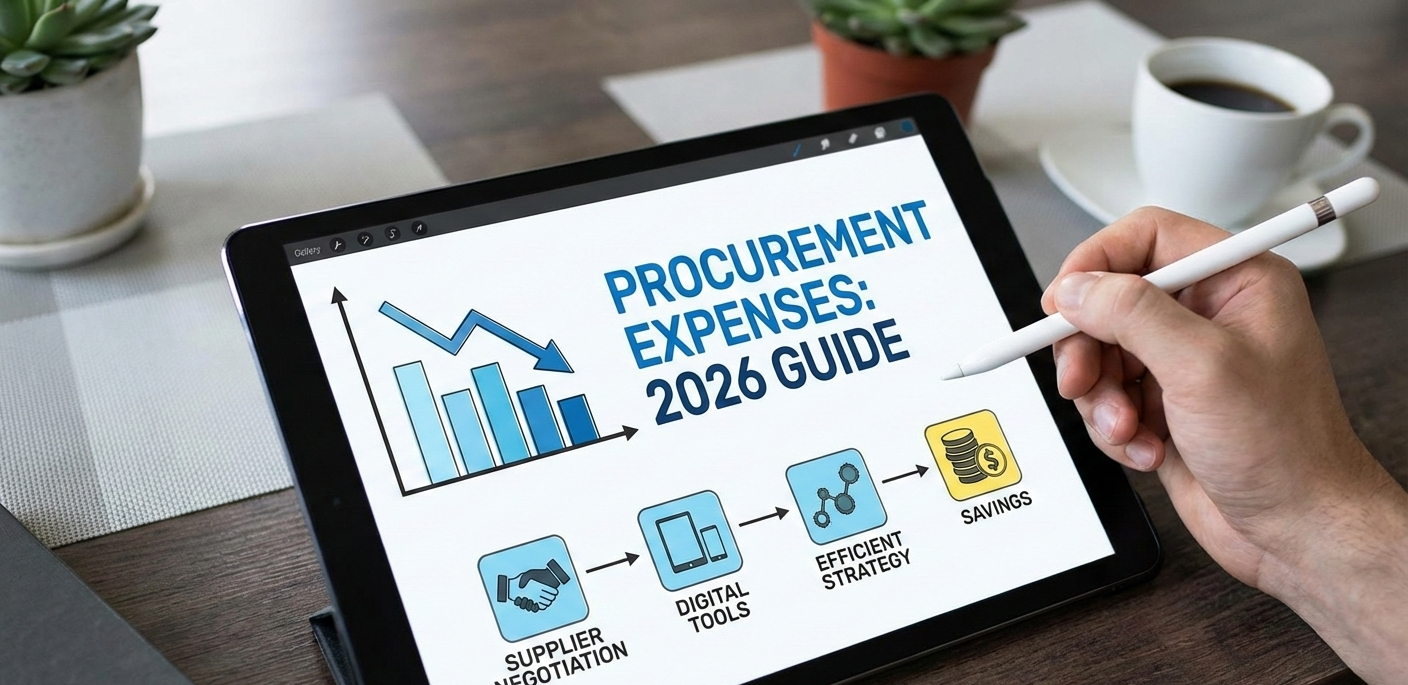
Procurement costs have a direct impact on margins, cash flow, and overall business performance. Yet for many organizations, inefficiencies like manual processes, limited spend visibility, and delayed approvals continue to drive unnecessary expenses. As supply chains grow more complex and margins tighten, reducing procurement expenses is no longer about cutting corners; it’s about optimizing how purchasing decisions are made.
This guide explains how to reduce procurement costs without sacrificing quality. We’ll break down proven procurement cost-saving strategies, the role of automation and technology, and practical steps businesses can take to build a more cost-effective, resilient procurement function.
The True Cost of Inefficient Procurement
Procurement costs don’t rise overnight. They quietly build up when processes rely on manual work, fragmented communication, and delayed visibility. While these inefficiencies may seem manageable day to day, they steadily drain budgets, time, and trust across the supply chain.
1. Manual Processes and Spreadsheets
Many procurement teams still depend on emails, spreadsheets, and offline approvals to manage purchasing. While familiar, these tools introduce hidden costs at every step. Manual data entry increases the risk of errors, spreadsheets often exist in multiple versions, and approvals slow down when updates aren’t centralized. Over time, this leads to duplicate orders, delayed purchasing decisions, and limited accountability, each adding avoidable operational expense.
2. Poor Vendor Visibility
Without real-time insight into vendor commitments, teams are often left guessing. Order delays, production issues, or shipment bottlenecks surface only when it’s too late to act. This lack of visibility forces businesses into reactive decisions such as emergency purchases, expedited shipping, or last-minute escalations—all of which significantly increase procurement costs.
3. Overbuying and Excess Inventory
When procurement isn’t aligned with actual demand, buying decisions are based on assumptions rather than data. This often results in excess inventory sitting idle in warehouses. Capital gets locked into slow-moving stock, while additional costs pile up through storage, insurance, and heavy markdowns needed to clear inventory.
4. Disconnected Procurement and Finance
When procurement and finance operate in silos, budget control becomes reactive instead of preventive. Purchases are raised without real-time budget checks, payments are delayed due to reconciliation gaps, and financial visibility suffers. Over time, this not only affects cash flow but also strains vendor relationships and reduces negotiation leverage.
Top Procurement Cost Reduction Strategies
Reducing procurement expenses isn’t about cutting supplier rates alone. The biggest savings often come from fixing how procurement operates. Below are the most effective, practical strategies businesses use to control costs without sacrificing quality or speed.
Automate Purchase Orders and Approvals
Manual PO creation and email-based approvals slow teams down and introduce costly errors. Automating this process ensures that purchase requests move through predefined workflows with minimal human intervention.
Automation helps businesses:
• Reduce processing time for every purchase
• Eliminate duplicate or incorrect orders
• Maintain consistency across approvals and compliance rules
By digitizing PO creation and approvals, procurement teams spend less time on paperwork and more time on strategic sourcing.
Enable Real-Time Purchase Order Tracking
When teams don’t know where orders stand, delays turn into emergency shipments and rushed decisions. Real-time PO tracking gives complete visibility from vendor confirmation to warehouse receipt.
This allows teams to:
• Identify delays before they escalate
• Plan warehouse inwards more accurately
• Avoid last-minute freight premiums and expediting costs
Early visibility directly translates into lower logistics and operational expenses.
Improve Supplier Performance Evaluation
Many organizations continue working with underperforming suppliers simply because they lack reliable data. Tracking supplier performance consistently changes that.
Key metrics to monitor include:
• On-time delivery rates
• Fulfillment accuracy
• Lead time reliability
Using data instead of assumptions helps businesses renegotiate terms, reduce risk, and allocate spend to suppliers that consistently deliver value.
Centralize Spend Visibility
Procurement costs rise when spending is fragmented across emails, spreadsheets, and disconnected systems. Centralizing all procurement activity into a single platform creates complete spend visibility.
With centralized spend tracking, teams can:
• See total commitments in real time
• Avoid duplicate or unauthorized purchases
• Make informed decisions based on actual data
A single source of truth is critical for cost-effective procurement at scale.
Control Budgets with Open-to-Buy (OTB)
Overspending often happens quietly, when teams raise purchase orders without knowing the real budget position. Open-to-Buy (OTB) controls solve this by enforcing budget checks before a PO is created.
OTB controls enable:
• Real-time visibility into available budgets
• Automatic blocks when limits are exceeded
• Confident, compliant purchase approvals
This ensures procurement stays aligned with financial planning at all times.
How Digital Procurement Tools Actually Cut Costs
Procurement costs don’t drop just because teams work harder; they drop when systems work smarter. Digital procurement tools reduce costs by removing friction, guesswork, and manual intervention from everyday buying decisions.
Instead of approvals stuck in inboxes and data scattered across spreadsheets, modern procurement platforms bring everything into one connected workflow.
From Manual Chasing to Automated Workflows
One of the biggest cost drains in procurement is time, time spent following up on approvals, checking order statuses, and correcting mistakes. Workflow automation changes this completely.
Approvals move automatically based on predefined rules, reminders are triggered without human follow-ups, and escalations happen before delays turn expensive.
This shortens purchasing cycles and prevents rush orders that often come with higher costs.
Real-Time Visibility Replaces Guesswork
Spreadsheets show what already happened. Digital procurement tools show what’s happening right now.
With live dashboards, teams can instantly see:
• Where money is being spent
• Which vendors are delaying deliveries
• Which purchase orders are at risk
This visibility allows procurement teams to act early, reroute orders, adjust plans, or negotiate timelines before costs escalate.
Fewer Errors, Less Rework, Lower Costs
Every incorrect order, mismatch, or missing approval creates hidden costs — reprocessing time, delayed payments, strained vendor relationships. Digital procurement platforms standardize data and workflows so orders are created once, correctly, and tracked end to end.
When procurement data is clean and structured, teams spend less time fixing mistakes and more time optimizing spend.
Best Practices to Sustain Long-Term Procurement Savings
Standardize Procurement Processes Across Teams
When every team follows a different buying process, costs creep in unnoticed. Standardized requisitions, approval flows, and vendor onboarding ensure purchases follow clear rules every time. This reduces errors, speeds up decision-making, and keeps spending aligned with policy.
Shift Supplier Conversations from Price to Performance
Cost savings aren’t always about negotiating lower prices. Tracking supplier performance—such as on-time delivery, lead-time reliability, and order accuracy—helps teams work with vendors who reduce downstream costs. Reliable suppliers prevent rush orders, emergency freight, and production delays.
Use Data to Drive Smarter Negotiations
Procurement data holds leverage. When teams can clearly show purchase volumes, delivery trends, and compliance history, negotiations become factual rather than subjective. This leads to better terms, clearer commitments, and long-term savings.
Align Procurement and Finance Closely
Sustainable savings depend on tight coordination between procurement and finance. Shared visibility into budgets, commitments, and payments prevents overspending and avoids last-minute approvals. When both teams operate from the same data, cash flow improves and vendor relationships stay strong.
Review, Measure, and Improve Continuously
Procurement savings aren’t static. Regularly reviewing spend patterns, vendor performance, and process efficiency helps teams identify new opportunities to optimize. Continuous improvement ensures cost control becomes part of everyday operations, not a one-time initiative.
Final Words
Modern procurement platforms change that equation. With centralized workflows, real-time visibility, automated controls, and demand-aligned buying, teams can move from reactive purchasing to proactive cost management.
That’s where Supplymint DigiProc help procurement teams gain tighter spend control, stronger vendor accountability, and faster, more accurate buying decisions, without adding complexity.
Explore how Supplymint helps businesses reduce procurement costs with smarter, automated procurement workflows.
Frequently Asked Questions
1. How long does it take to see cost savings after improving procurement processes?
Procurement cost savings don’t always come from one big change, they compound over time. Most teams begin noticing measurable improvements within the first few months, such as fewer rush orders, reduced approval delays, and better budget adherence. Long-term savings build as data accuracy improves and buying decisions become more demand-driven.
2. Can procurement cost reduction affect supplier relationships negatively?
Only if it’s done the wrong way. Cutting costs by squeezing suppliers often damages long-term partnerships. However, when procurement optimization focuses on transparency, predictable ordering, and clear timelines, supplier relationships actually improve. Vendors benefit from fewer surprises, faster approvals, and clearer expectations.
3. Is procurement automation suitable for mid-size or growing businesses?
Yes, and often more impactful. Mid-size teams feel inefficiencies more acutely because they operate with lean resources. Automating procurement early helps avoid scaling chaos, reduces dependency on manual work, and ensures processes remain controlled as order volumes increase.
4. What’s the biggest mistake companies make when trying to reduce procurement costs?
The most common mistake is focusing only on price negotiation instead of process efficiency. While negotiating better rates helps, real savings often come from reducing errors, preventing overbuying, improving visibility, and eliminating last-minute firefighting across procurement and finance.
5. How does procurement optimization support better financial planning?
Optimized procurement provides finance teams with real-time visibility into committed spend, upcoming liabilities, and budget utilization. This makes forecasting more accurate, improves cash-flow planning, and reduces reconciliation gaps between procurement and accounting.
6. Can procurement cost reduction be achieved without changing existing vendors?
Absolutely. Many cost leaks exist even with trusted vendors — such as delayed confirmations, unclear timelines, or untracked deviations. Improving internal procurement workflows and visibility often delivers savings without needing to switch suppliers.
7. How do teams ensure procurement savings are sustained over time?
Sustained savings depend on standardization, data discipline, and continuous monitoring. When procurement decisions are tracked, budgets are enforced in real time, and performance is measured consistently, savings stop being accidental and become repeatable.