


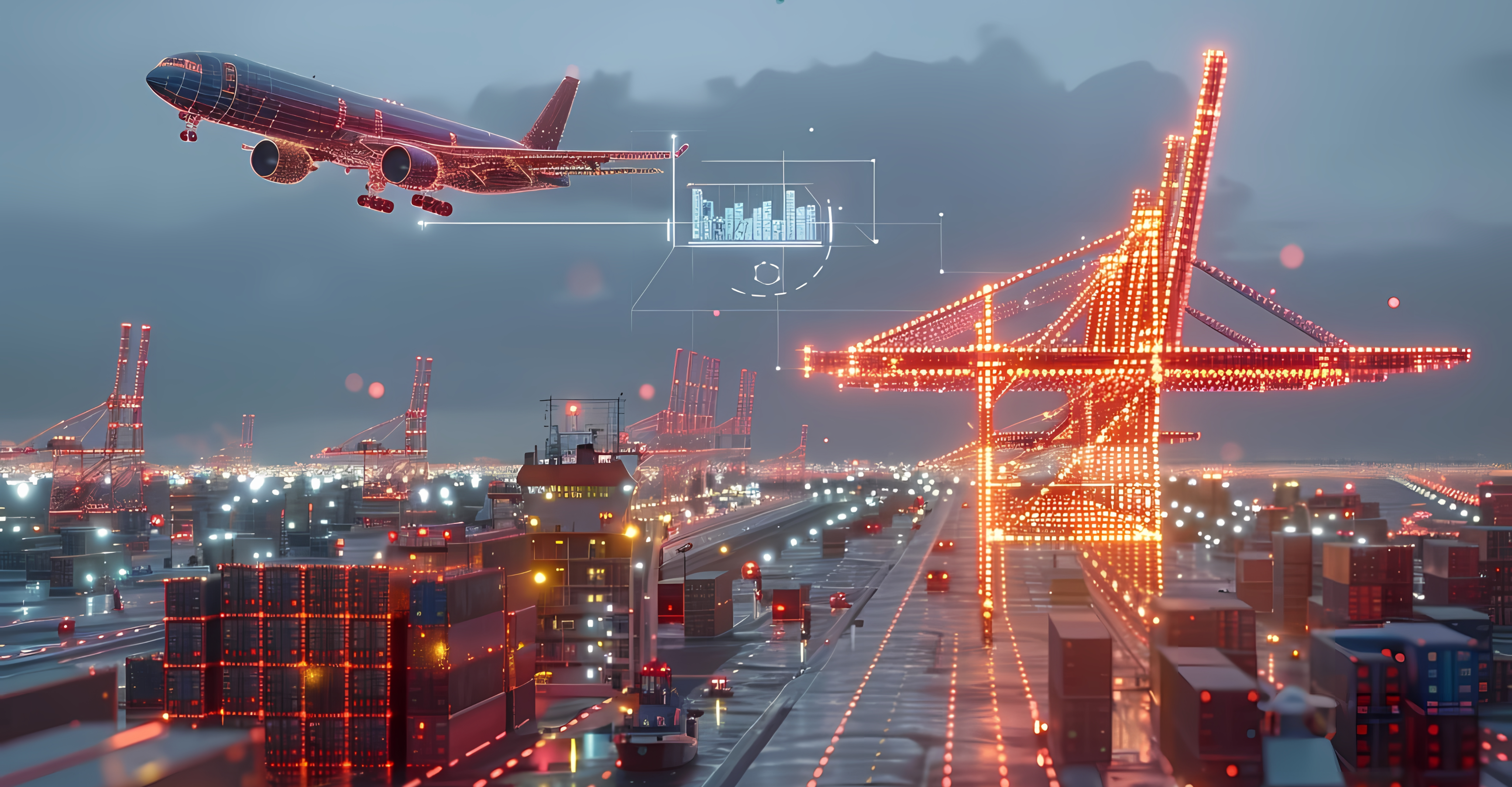
In an era of rapid globalization and technological change, supply chains are the lifeblood of industries worldwide. Yet with growing complexity, unpredictable disruptions, and rising demands for speed and sustainability, managing them has become harder than ever. Traditional systems and standalone tools often fall short of modern requirements. To address this, a powerful approach has emerged: the supply chain control tower.
Control towers integrate with your existing systems to deliver real-time insights, predictive analytics, and end-to-end visibility. This approach redefines how organizations manage the supply chain, supporting resilience, efficiency, and adaptability in an ever-changing landscape.
The Need for Control Towers in Modern Supply Chains
Traditional supply chain management systems, effective in the past, struggle to meet the demands of today's dynamic market. Modern supply chains are intricate, non-linear networks that need real-time monitoring and agility to handle disruption. Existing tools have made significant strides, but control towers take them further by addressing four key challenges:
1. Lack of visibility. Many organizations struggle with fragmented data spread across multiple systems. Even advanced tools often fail to provide a unified view, which leads to inefficiency and missed opportunities.
2. Rising customer expectations. Customers want faster deliveries, personalized service, and real-time updates. Meeting those expectations is hard without a connected, control-tower view of operations.
3. Disruption and volatility. From natural disasters to geopolitical tension and pandemics, disruptions are becoming more frequent. A control tower, supported by predictive analytics, helps businesses mitigate these risks proactively.
4. Sustainability pressures. Stakeholders increasingly call for greener, more ethical supply chains. Control towers build sustainability into the broader strategy without sacrificing efficiency.
What Is a Supply Chain Control Tower?
A supply chain control tower is a centralized, cloud-based solution that provides a 360-degree view of operations. Unlike tools that focus on a single task, a control tower connects every element of the supply chain, including procurement, production, distribution, and customer fulfillment, into one view.
Core Capabilities of Control Towers
- End-to-end visibility. Consolidates data from multiple systems into a single platform for complete transparency.
- Real-time monitoring. Tracks shipments, inventory levels, and production schedules as they happen.
- Predictive analytics. Uses AI and machine learning to identify risks and opportunities before they arise.
- Collaborative platform. Connects stakeholders so communication and coordination happen in one place.
- Automation. Automates routine tasks such as inventory replenishment and demand forecasting, freeing resources for strategic work.
Key Benefits of Control Towers
1. Proactive risk management. Control towers use predictive analytics to anticipate disruption, whether from supplier delays or market volatility. With those insights, companies can act early, rerouting shipments or sourcing alternatives before a problem escalates.
2. Better decision-making. By combining data from across the operation with real-time insight, control towers help decision-makers respond to challenges swiftly and confidently.
3. Cost optimization. With a connected view of the whole chain, organizations can find inefficiencies, reduce waste, and optimize transportation routes to lower cost.
4. Enhanced customer experience. Control towers improve customer satisfaction by supporting timely deliveries and accurate tracking from order to doorstep.
5. Support for sustainability goals. Control towers align with sustainability initiatives by optimizing resources and minimizing carbon footprint.
Practical Applications of Control Towers
Retail
Retailers use control towers to manage seasonal spikes in demand, keeping inventory at optimal levels while maintaining smooth replenishment across locations.
Healthcare
In healthcare, control towers help ensure the timely delivery of medical supplies. During the COVID-19 pandemic, this kind of visibility helped keep critical logistics moving.
Manufacturing
Manufacturers use control towers to streamline production schedules and manage supplier relationships, preventing material shortages and reducing downtime.
E-commerce
E-commerce companies use control towers to optimize last-mile delivery and provide real-time shipment tracking, which keeps orders accurate and customers informed.
The Future of Control Towers
As technology evolves, control towers will become more powerful and versatile. Key trends include:
1. Integration with digital twins. Virtual replicas of physical supply chains will let businesses test strategies and simulate scenarios, amplifying what a control tower can do.
2. AI-driven automation. AI will deepen automation, optimizing complex tasks like dynamic pricing and predictive maintenance.
3. Blockchain for transparency. Blockchain will improve the transparency and security of control towers, creating immutable records of every transaction.
4. IoT integration. IoT devices such as GPS trackers and RFID sensors will feed control towers real-time data to monitor conditions with unmatched precision.
Overcoming Implementation Challenges
Control towers offer real benefits, but implementing one means addressing challenges such as high initial investment, data integration, and organizational change. By building on the systems they already run, businesses can transition to a control tower model gradually, with minimal disruption.
Conclusion
Control towers are not just a technological advancement. They are a shift in how the supply chain is managed. By connecting data and tools across the operation, they offer visibility, agility, and efficiency that standalone systems cannot. In an era where resilience and adaptability are critical, a control tower moves from a nice-to-have toward a necessity, and the organizations that adopt the thinking early will be better placed to build streamlined, resilient supply chains.
Frequently Asked Questions
1. What is a supply chain control tower?
A supply chain control tower is a centralized, cloud-based platform that gives a 360-degree, real-time view of operations by connecting data from procurement, production, distribution, and fulfillment. It uses that unified view to improve visibility, predict risks, and support faster decisions across the supply chain.
2. What are the core capabilities of a control tower?
The core capabilities are end-to-end visibility, real-time monitoring of shipments and inventory, predictive analytics to flag risks early, a collaborative platform that connects stakeholders, and automation of routine tasks like replenishment and forecasting.
3. What are the benefits of a supply chain control tower?
The main benefits are proactive risk management, better and faster decision-making, lower costs through fewer inefficiencies, an improved customer experience from reliable delivery and tracking, and stronger support for sustainability goals.
4. How is a control tower different from traditional SCM software?
Traditional SCM software usually focuses on specific tasks or stages. A control tower sits above those tools and connects them, pulling data from across the whole supply chain into one real-time view, so decisions are made on the full picture rather than isolated pieces.
5. Which industries use supply chain control towers?
Control towers are used across retail, healthcare, manufacturing, and e-commerce, anywhere complex, time-sensitive supply chains need real-time visibility, from managing seasonal retail demand to ensuring timely delivery of medical supplies and optimizing last-mile e-commerce logistics.
