Supplymint logo
usecase image

Store-Specific Assortment and MBQ Optimization

Replenishment
Dynamic-Mbq
Store-Assortments

Team Involved

Buyer

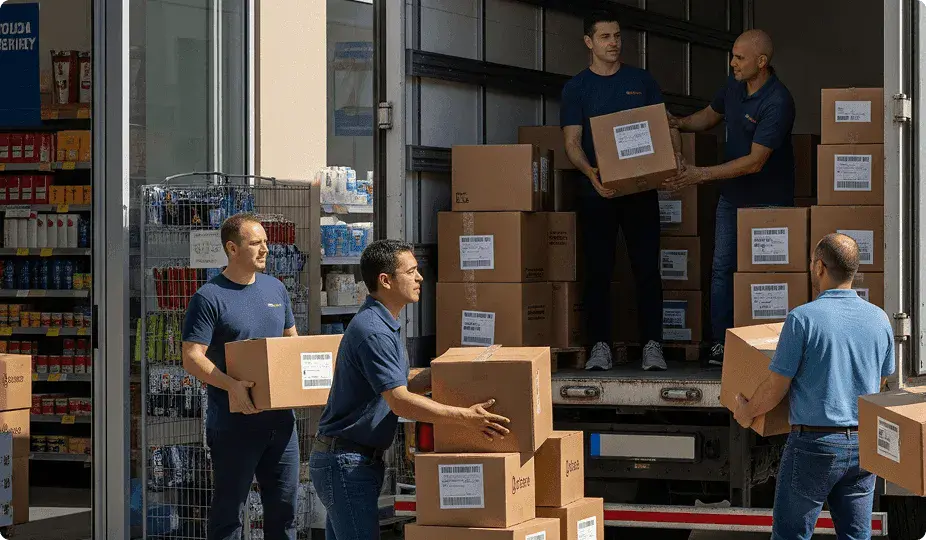
Retail merchandising and planning teams are responsible for curating product assortments that align with the unique preferences and purchasing behaviors of customers at each store location. They aim to ensure that each store carries the right mix of products in appropriate quantities to meet local demand without overstocking or understocking. This requires a nuanced understanding of regional preferences, sales patterns, and inventory turnover rates.

vendor

Vendor

Suppliers and manufacturers rely on accurate and timely demand signals from retailers to plan their production and distribution schedules effectively. Store-specific assortment and MBQ optimization provide vendors with clear insights into the product quantities required at each location, enabling them to align their operations with retailer needs and reduce lead times.

Workflow Mission

To empower retailers with the ability to tailor product assortments and MBQs at the store level, ensuring that each location is stocked with the right products in the right quantities. By leveraging data-driven insights and automation, Supplymint's Planning module aims to enhance inventory efficiency, reduce stock discrepancies, and improve overall customer satisfaction.

Workflow Mission

Scope

This use case operates within Supplymint’s Planning module. It focuses on integrating store-level sales data, customer demographics, and inventory metrics to optimize product assortments and MBQs, facilitating precise inventory planning and allocation across the retail network.

Scope

Our Solution for Buyers & Retailers

Solution Architecture

Localized Assortment Planning

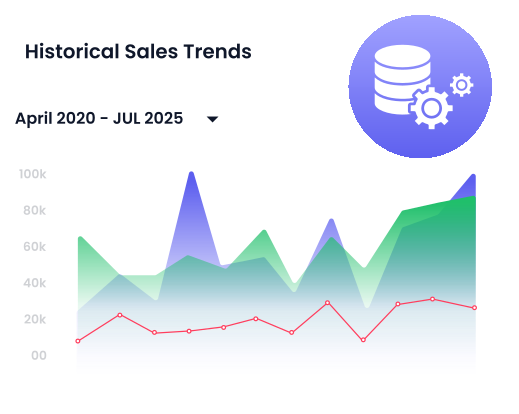
Planning analyzes historical sales data, customer preferences, and regional trends to determine the optimal product mix for each store. By understanding the unique demand patterns at each location, the system recommends tailored assortments that resonate with local customers.

solution image

Dynamic MBQ Optimization

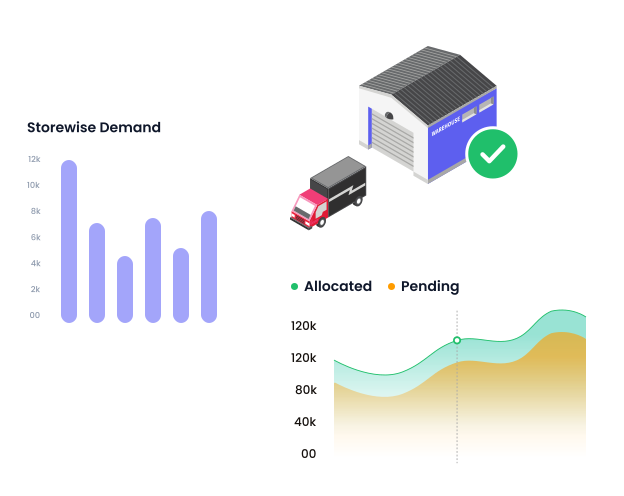
The module calculates the appropriate MBQ for each product at the store level, ensuring that inventory levels are maintained to meet ongoing demand without overstocking. This dynamic approach adjusts MBQs based on real-time sales data and seasonal fluctuations.

Automated Replenishment Triggers

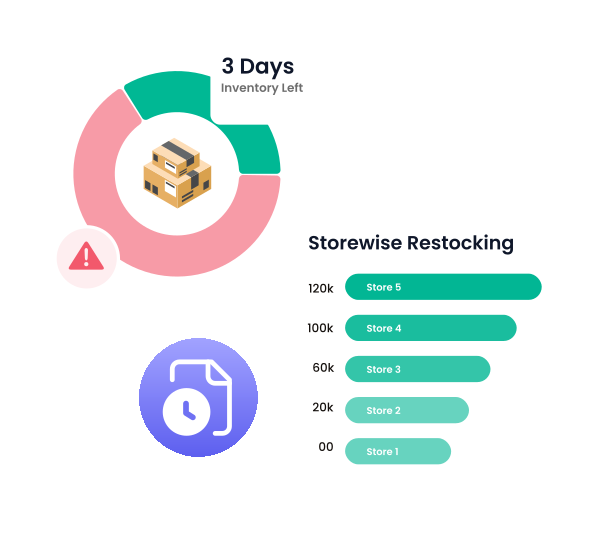
Planning sets automated replenishment triggers when inventory levels approach the defined MBQs. This proactive mechanism ensures timely restocking, preventing stockouts and maintaining consistent product availability.

Vendor Collaboration & Lead Time Management

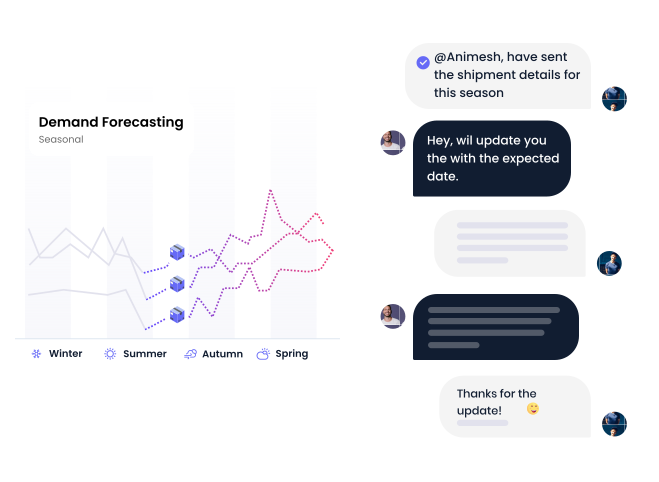
The system facilitates seamless communication with suppliers, providing them with timely demand forecasts and inventory requirements. This collaboration ensures that suppliers can adjust their production schedules to meet retailer needs during peak periods.

Real-Time Monitoring & Alerts

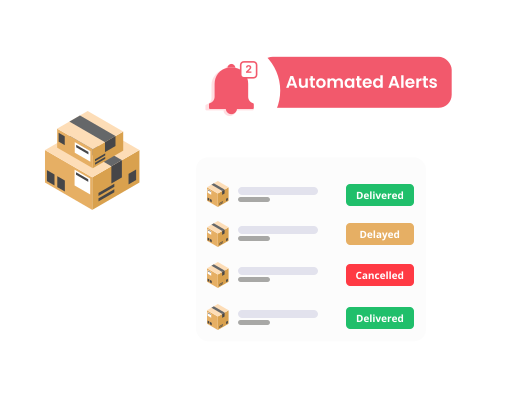
Planning offers real-time monitoring of inventory levels and sales performance, sending automated alerts for potential stock issues. This proactive approach allows retailers to address inventory challenges promptly.

Post-Implementation Analysis

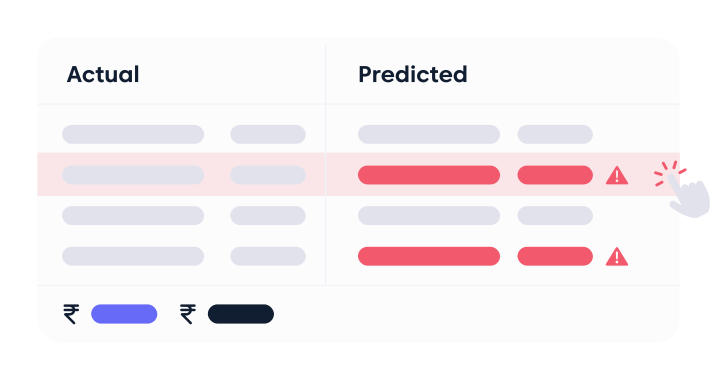
After implementing store-specific assortment and MBQ optimization, Planning provides detailed analytics on inventory performance, sales trends, and supplier efficiency. These insights support continuous improvement in inventory planning and supplier relationships.

Key takeaway

Implementing store-specific assortment and MBQ optimization through Supplymint’s Planning module enables retailers to align product offerings with local customer preferences, maintain optimal inventory levels, and enhance collaboration with suppliers. This data-driven approach leads to improved sales performance, reduced inventory costs, and increased customer satisfaction.

By leveraging Planning's intelligent planning capabilities, retailers can navigate the complexities of inventory management with greater agility and efficiency, ensuring that each store meets the unique needs of its customer base.