Supplymint logo
usecase image

Gather Survey Feedback from Team Members Prior to Placing Orders to Drive Higher Sales

Procurement
Catalogue
Product-Sample

Team Involved

Buyer

Procurement and merchandising teams are responsible for selecting products that align with market trends and customer preferences. To make informed purchasing decisions, they need a streamlined process to collect and analyze feedback from internal stakeholders on potential products before finalizing orders.

vendor

Vendor

Suppliers and manufacturers provide product samples for evaluation and await feedback to proceed with production. They require clear communication regarding sample approvals and prompt issuance of purchase orders to plan manufacturing schedules and meet delivery timelines effectively.

Workflow Mission

To enhance the procurement process by integrating internal survey feedback mechanisms, enabling teams to evaluate product samples collaboratively and make data-driven purchasing decisions that align with customer demand and market trends.

Workflow Mission

Scope

This use case operates within Supplymint’s Source to Pay module. It focuses on digitizing the sample evaluation process, facilitating collaboration among internal teams, and seamlessly transitioning approved samples into purchase orders within the procurement workflow.

Scope

Our Solution for Buyers & Retailers

Solution Architecture

Digital Sample Evaluation and Feedback Collection

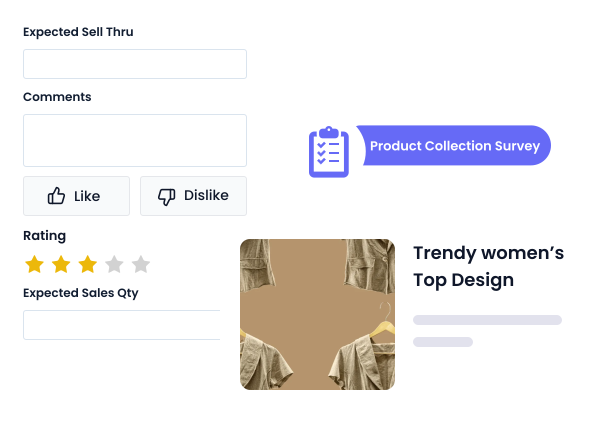
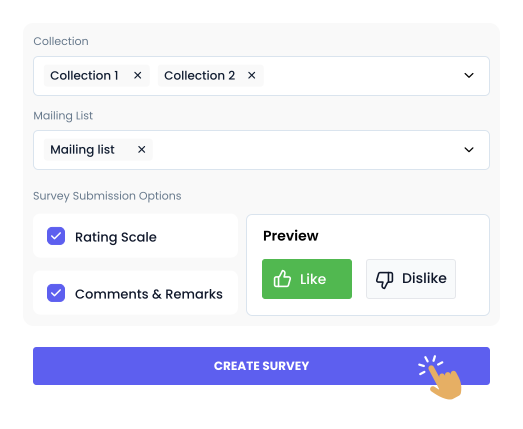
Using DigiCatalogue and Source To Pay, buyers compile detailed digital catalogs of product samples that include product specs, images, and relevant documents. Instead of decisions resting with a few, internal teams across functions, such as marketing, store managers, sales reps, and finance, are invited to participate in structured surveys linked directly to each sample. These surveys ask targeted questions about product appeal, expected sell-through, promotional suitability, and other relevant criteria for pre-order evaluation.

solution image

Centralized & Collaborative Feedback Collection

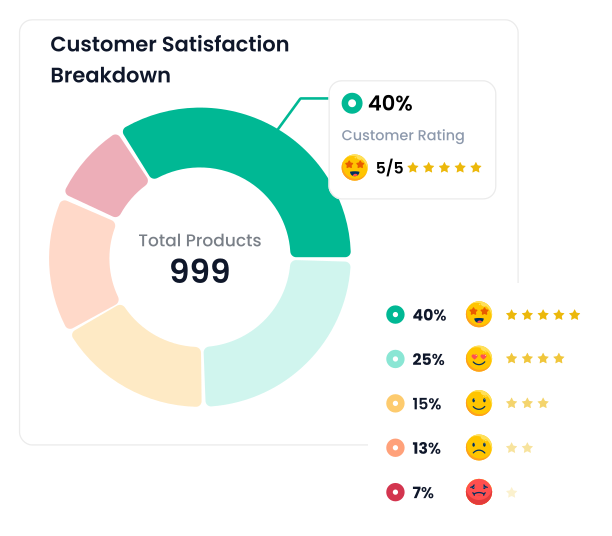
All feedback is collected in one place and tied to individual SKUs and samples, creating a transparent, auditable feedback repository. The platform aggregates survey results to highlight consensus, flag divergent opinions, and surface actionable insights, removing subjectivity and bias from purchase decisions. Also, discussion threads and comments allow rich qualitative input alongside quantitative data.

Data-Driven Approval & Purchase Order Generation

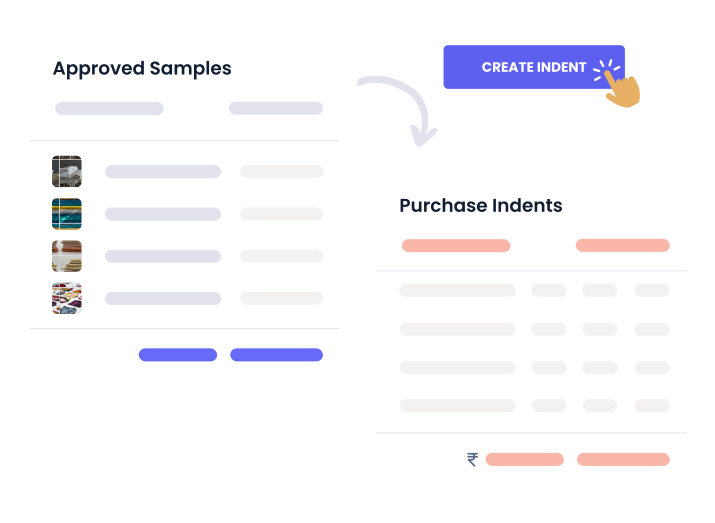
Based on the consolidated survey feedback, procurement teams finalize sample approvals. Source to Pay supports direct conversion of approved samples into purchase orders that carry over the exact specifications and agreed purchase terms, preventing errors inherent in manual transcription. This ensures the right products, quantities, and pricing flow into procurement systems aligned with collaborative team intelligence.

Real-Time Status Tracking & Vendor Notifications

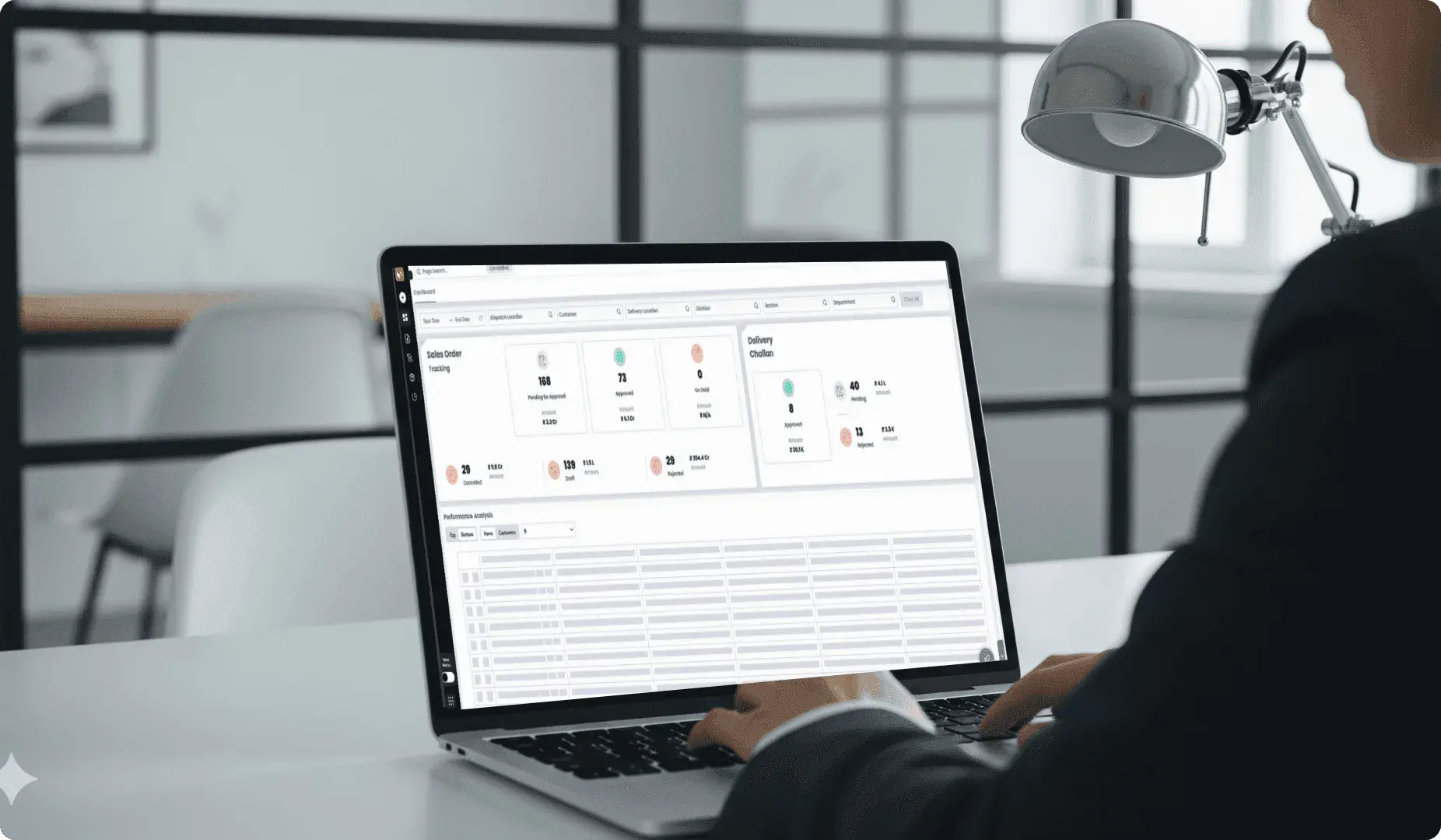
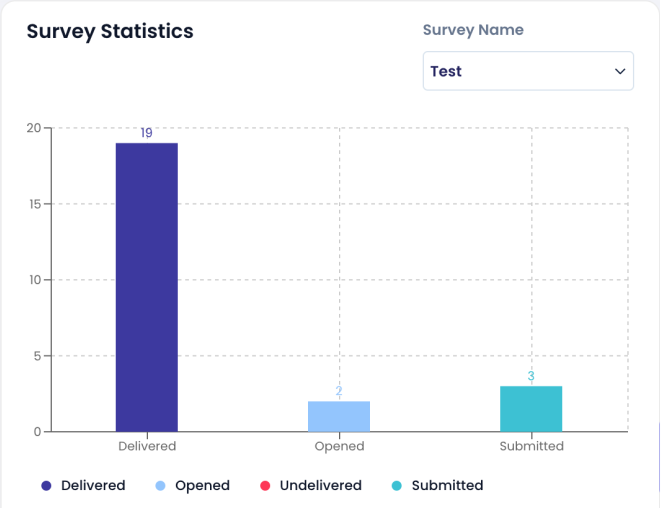
Throughout the process, Source to Pay offers real-time dashboards showing the status of sample reviews, survey completion rates, approval progress, and PO generation stages. Automated notifications keep vendors informed about sample approvals, required additional feedback, or issuance of purchase orders, facilitating timely production and delivery without communication delays.

Insights & Continuous Improvement

Post-order and post-sales data can be linked back to survey insights, enabling buyers to refine future survey questions, sample selections, and supplier choices, creating a continuous feedback loop for smarter procurement cycles.

Key takeaway

This use case demonstrates how Supplymint’s Source to Pay module streamlines the vendor sample evaluation process by digitizing catalog management, facilitating collaborative evaluations, and linking approved samples directly to purchase orders. By automating these workflows, retailers can reduce manual errors, enhance communication with vendors, and accelerate the procurement cycle. In the competitive retail landscape, such efficiency is crucial for maintaining agility and meeting market demands effectively.